
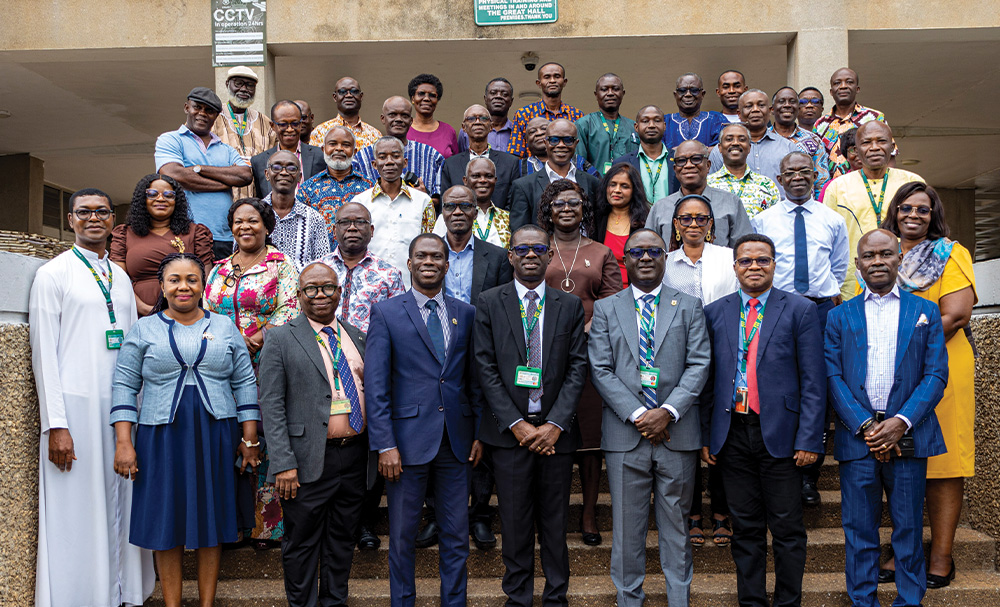
The Human Resource Development (HRD) Division of the Kwame Nkrumah University of Science and Technology, Kumasi (KNUST) has organised a retirement planning workshop for staff due to retire in 2026 and 2027 to equip them with the knowledge and practical skills needed to transition successfully into retirement.
Held on the theme, "Planning for a Successful Transition Opens a Door to a Fulfilling, Purposeful and Rewarding Retirement," the workshop brought together resource persons from across the University to educate participants on financial planning, health management, emotional well-being and life after active service.
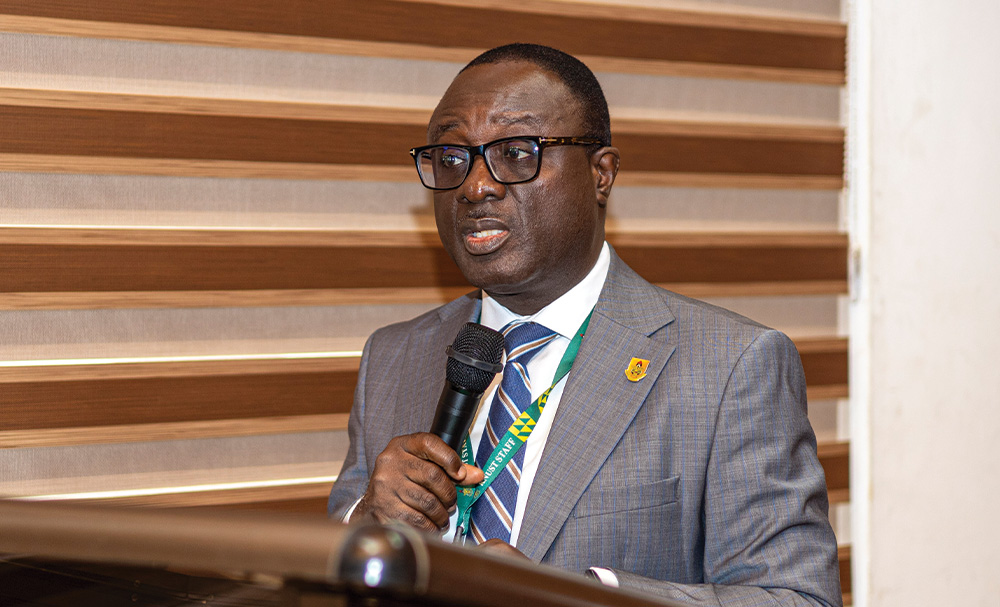
The Pro Vice-Chancellor, Professor David Asamoah, described retirement as one of life's most significant transitions and emphasised the need for deliberate preparation beyond one's years of active service. He commended the HRD Division for organising the workshop, saying it reflected the University's commitment to supporting staff even after retirement.
"Retirement should not be viewed as the end of one's productive life, but rather as the beginning of a new chapter that offers opportunities to pursue personal interests, spend more time with family, mentor others, serve communities and enjoy the fruit of many years of dedicated labour," he said.
Professor Asamoah urged participants to prioritise their physical and emotional well-being while managing their retirement benefits wisely to ensure long-term financial security. He also encouraged them to remain socially engaged by mentoring younger generations, nurturing meaningful relationships and pursuing activities that would continue to give them purpose.
"Retirement is not about withdrawing from life; it is about embracing life differently and faithfully," he added.
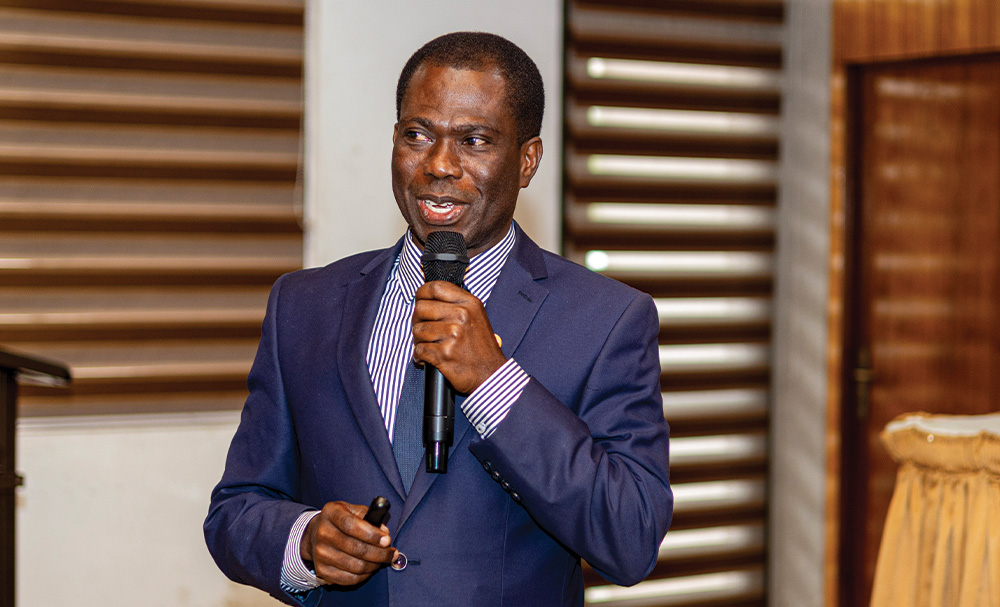
The Deputy Registrar of HRD, Mr Festus Nyame, said the University would continue to provide medical care for retirees and their registered spouses. However, he noted that certain medical appliances, including dentures and eyeglasses, would not be covered. He advised staff to ensure their spouses' records were properly updated before retirement to avoid challenges in accessing benefits.
Mr Nyame further explained that concessionary admission for the registered biological children of retired staff would continue under the University's policy. He encouraged participants to familiarise themselves with the relevant application procedures and reminded them that retirement marked the beginning of a new phase of life that should be embraced with careful planning and optimism.
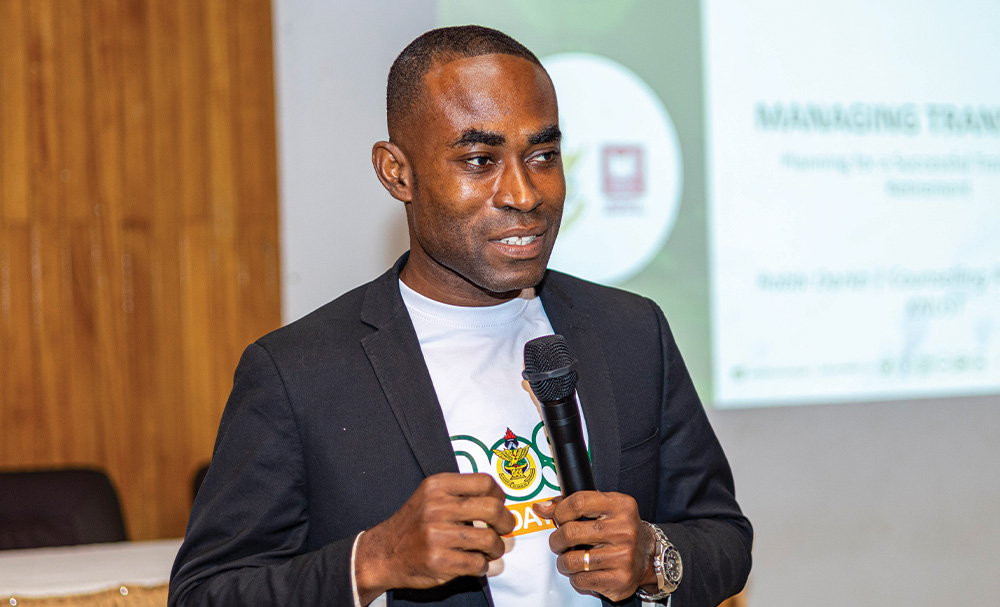
Mr Rabbi Darko, Counsellor at the KNUST Counselling Centre, delivered a presentation on managing the psychological and emotional aspects of retirement. He stressed that while retirement has a fixed date, the transition is a personal journey that requires individuals to redefine their identity and purpose.
He explained that many retirees struggle with the loss of professional identity, routine and social interactions, which can lead to anxiety, depression or isolation if not properly managed.
"Transition is developmental. Retirement may be beyond your control, but transition is within your power. There is always something more you can offer," he said.
Mr Darko encouraged participants to prepare mentally for retirement by maintaining healthy relationships, engaging in regular physical activity, reading, volunteering, reconnecting with family and friends, and seeking professional support whenever they felt emotionally overwhelmed.
"Learn to talk to somebody. It doesn't make you weak; it rather helps you become better," he advised.
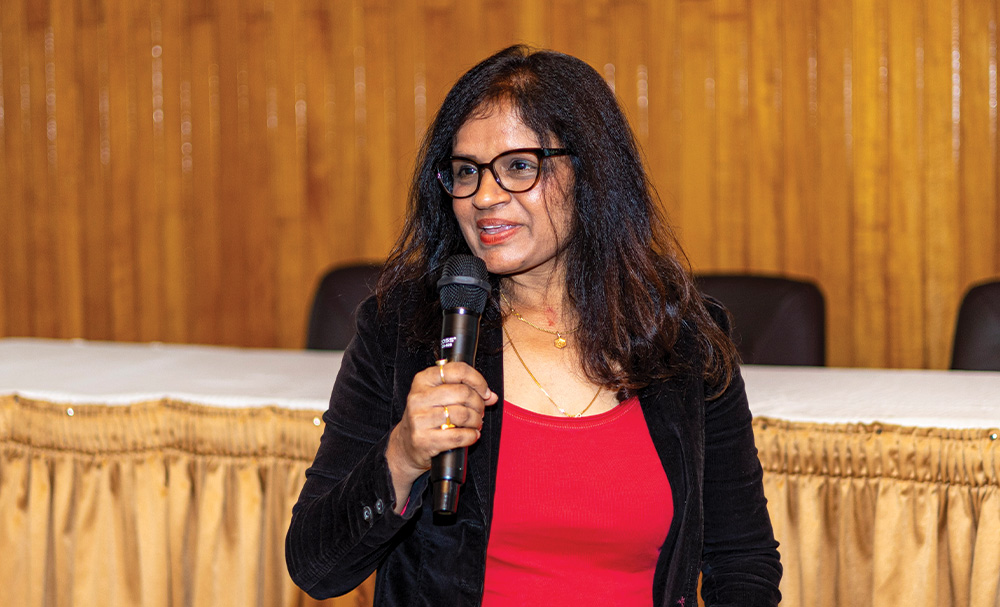
Dr Bhavana Singh, Chief Medical Officer of the University Hospital, also educated participants on healthy ageing and preventive healthcare, describing retirement as "a new beginning" rather than the end of active life.
She highlighted the growing ageing population globally and in Ghana, stressing the importance of adopting healthy lifestyles to reduce the risk of non-communicable diseases such as hypertension, diabetes, obesity and heart disease.
"Retirement does not mean dependency. It is a period of greater freedom, new opportunities and renewed purpose," she said.
Dr Singh also advised participants to remain socially connected, continue learning, embrace technology, deepen their spiritual lives and pursue meaningful activities that would keep them physically and mentally active throughout retirement.
According to her, maintaining strong social relationships, exercising regularly, getting adequate sleep and attending annual health check-ups are essential for healthy ageing and an improved quality of life.
Dr Singh assured participants that the University Hospital would continue to provide comprehensive healthcare services to retired staff and their dependants, reaffirming the hospital's commitment to promoting healthy ageing and supporting retirees beyond their years of active service.
Story: Eunice Odumaa Asare


